How to Say "Fuck Off" in Spanish — Spain, Mexico, Argentina & More
How to Say "Fuck Off" in Spanish — Spain, Mexico, Argentina & More
Looking up how to say fuck off in Spanish? The answer depends on where you are. Spain, Mexico, Argentina, and the rest of Latin America each have their own go-to phrases — some milder, some much sharper.
Below is a practical regional guide to the most common ways to tell someone to get lost in Spanish, with tone notes so you pick the right level of rudeness.
1. Vete a la Mierda (Spain, Latin America)
One of the most straightforward insults in Spanish, “vete a la mierda” translates to "go to the shit." It’s widely used across Spain and Latin America and serves as a solid way to tell someone to back off without being too intense. It’s similar to saying "go f*ck yourself" in English.
Usage:
- Countries: Spain, Mexico, Argentina, Chile
- Tone: Moderate rudeness, used when you want to dismiss someone but don’t need to go overboard.
2. Vete a la Chingada (Mexico)
In Mexico, the phrase “vete a la chingada” is an even harsher way of telling someone to go away. The word “chingada” comes from “chingar”, which is one of the most versatile curse words in the Mexican Spanish lexicon.
Usage:
- Countries: Mexico, Central America
- Tone: Stronger insult than “vete a la mierda,” used for more serious frustration or anger.
3. Vete a la Verga (Mexico, Ecuador, Central America)
This is another Mexican favorite: “vete a la verga”. It literally translates to "go to the dick" and is considered highly offensive in many Spanish-speaking countries. The term “verga” is vulgar and can be used in various contexts, but in this case, it’s a blunt way of telling someone to get lost.
Usage:
- Countries: Mexico, Ecuador, Central America
- Tone: Very harsh; save this for when you’re really angry.
4. A Tomar por Culo (Spain)
In Spain, the phrase “a tomar por culo” is another common expression. It literally translates to "go take it up the ass" and is a playful, yet still offensive, way to tell someone to go away. It's not as intense as the others, but it still packs a punch.
Usage:
- Countries: Spain
- Tone: Mild to moderate; used in casual situations, often when you're annoyed but not furious.
5. Que Te Jodan (Spain)
Another popular phrase from Spain, “que te jodan” means "may they screw you" or "go get screwed." It's less severe than some of the other expressions but still a clear way of expressing frustration or dismissal.
Usage:
- Countries: Spain
- Tone: Less vulgar, often used in moments of frustration when you want to be rude but not too offensive.
6. Andate a la Puta Que Te Parió (Argentina)
In Argentina, “andate a la puta que te parió” is a phrase that takes things to another level. It literally means "go to the whore that gave birth to you" and is one of the most vulgar phrases in Argentine Spanish.
Usage:
- Countries: Argentina
- Tone: Extremely harsh; reserved for intense situations when you want to insult someone profoundly.
7. Andate a la Concha de Tu Hermana (Argentina, Uruguay)
Another classic Argentinean insult, “andate a la concha de tu hermana”, translates to "go to your sister’s pussy." It’s one of the more graphic insults in the Argentine lexicon, making it a go-to phrase when you're deeply irritated.
Usage:
- Countries: Argentina, Uruguay
- Tone: Extremely offensive and vulgar; only for use in situations of extreme frustration.
8. Ándate a la Chucha (Chile)
In Chile, “ándate a la chucha” is a popular way of telling someone to f*ck off. “Chucha” is a vulgar term for female genitalia, and this phrase is used when you want to be very blunt and dismissive.
Usage:
- Countries: Chile
- Tone: Strong, but not as vulgar as some of the other phrases on this list. Commonly used in heated moments.
Conclusion: Use With Caution!
As you can see, telling someone to "f*ck off" in Spanish can take many forms, each with varying degrees of intensity. The country you’re in, as well as the situation, will determine which phrase is most appropriate.
However, as fun as learning these insults can be, remember to use them with caution! Spanish is a rich and vibrant language, and while swearing can be a form of expression, it’s always best to know your audience and the context before using these phrases.
Bonus: Want to Learn More Spanish?
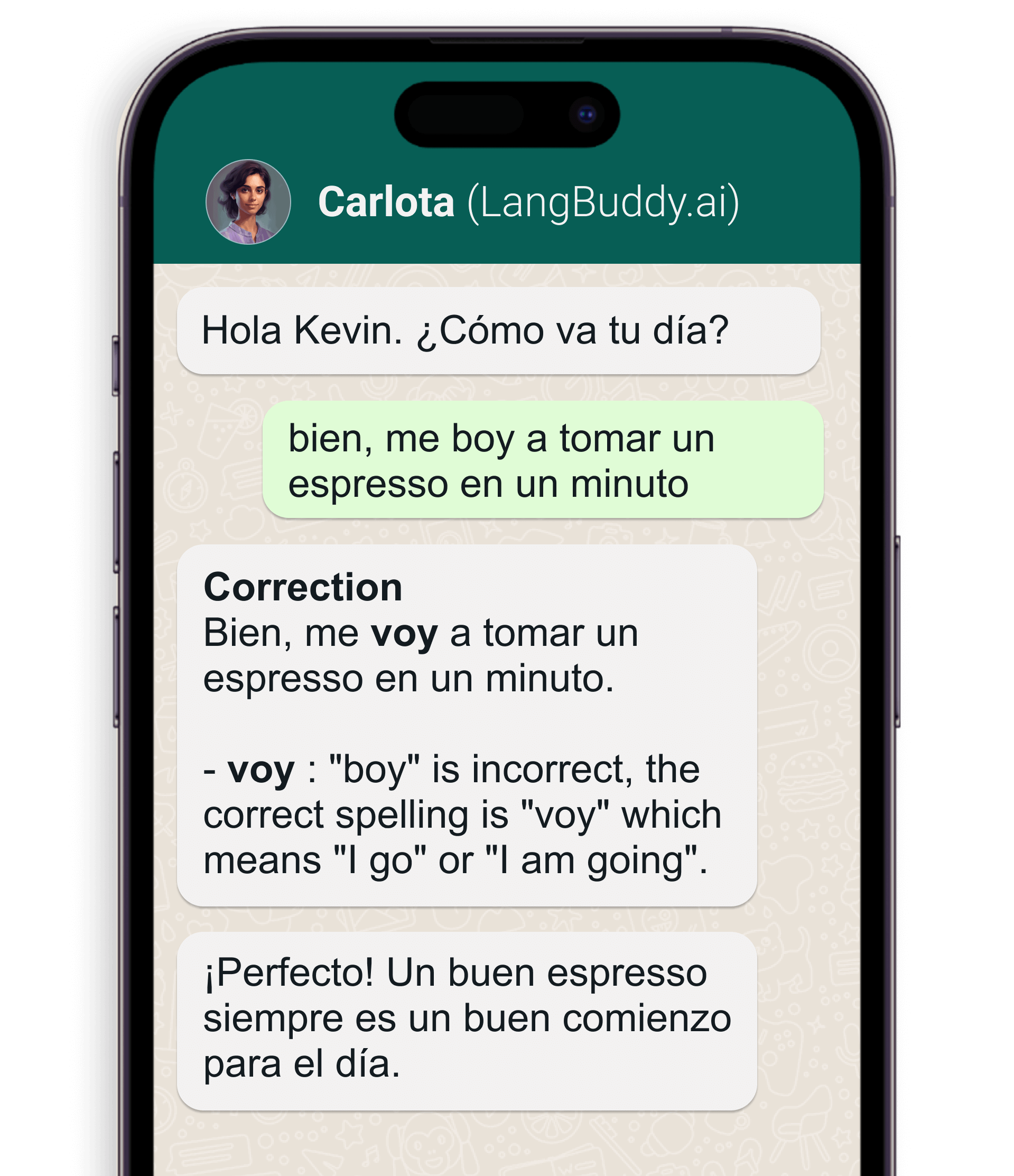
If you want to practice real Spanish conversation (including slang, corrections, and voice notes), try LangBuddy — an AI language buddy on WhatsApp that chats at your level and fixes mistakes as you go.
Your Personal AI Language Learning Assistant
- Learn new languages
- Practice conversation
- Chat on WhatsApp
- Translate text and voice